
The NRL salary cap is one of the most important financial mechanisms in Australian rugby league. It controls how much each club can spend on player salaries, ensuring the competition remains fair and no single team can simply buy its way to a premiership.
For the 2026 season, every NRL club operates under the same spending limit, but how that money is distributed across a 30-player roster varies dramatically from team to team. Here is everything you need to know about the NRL salary cap in 2026.
What Is the NRL Salary Cap?
The NRL salary cap is a strict financial limit placed on the total amount each club can pay its top 30 contracted players in a given season. It was introduced to rugby league in 1990 by the NSWRL and has been a core part of the competition since the NRL was formed in 1998.
The salary cap serves two primary purposes.
- Competitive balance: It prevents wealthier clubs from hoarding all the best players, ensuring that talent is spread across the competition.
- Financial sustainability: It stops clubs from overspending on player payments to the point where it threatens their long-term viability.
Every club must spend at least 97.5% of the salary cap, which means teams cannot gain a competitive advantage by underspending either.
NRL Salary Cap 2026 Breakdown
The total top 30 salary cap for each NRL club in 2026 is $11,950,000. This figure is made up of several components beyond the base salary cap.
| Component | Amount |
|---|---|
| Base Salary Cap | $11,550,000 |
| Motor Vehicle Allowance | $100,000 |
| Veteran and Developed Player Allowance | $300,000 |
| Total Top 30 Salary Cap | $11,950,000 |
Base Salary Cap
The base salary cap of $11.55 million covers the core playing contracts for each club’s top 30 players. Clubs must have at least 24 top 30 players contracted by 1 November, 28 players by the Monday before Round 1, and all 30 players signed by 30 June.
Motor Vehicle Allowance
Clubs can provide up to five motor vehicles to players outside the salary cap, valued at $20,000 each, for a total of $100,000.
Veteran and Developed Player Allowance
An additional $300,000 is available for players who meet one of the following criteria.
- Developed by the club before becoming an NRL player
- Served as a top 30 player at the same club for at least eight years
- Spent at least 10 years as a top 30 player across the competition
NRL Salary Cap by Team in 2026
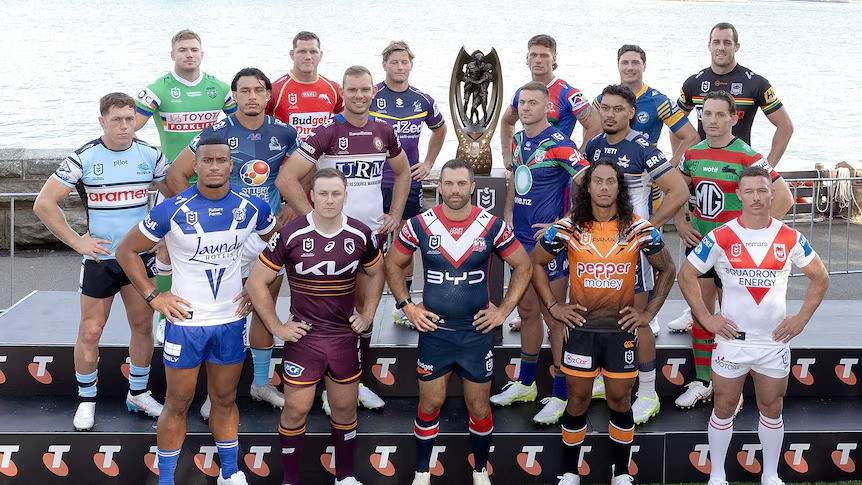
All 17 NRL clubs operate under the same salary cap in 2026. There is no variation based on market size, location, or revenue.
| Team | State | Total Top 30 Salary Cap |
|---|---|---|
| Brisbane Broncos | Queensland | $11,950,000 |
| Canberra Raiders | ACT | $11,950,000 |
| Canterbury-Bankstown Bulldogs | New South Wales | $11,950,000 |
| Cronulla-Sutherland Sharks | New South Wales | $11,950,000 |
| Dolphins | Queensland | $11,950,000 |
| Gold Coast Titans | Queensland | $11,950,000 |
| Manly-Warringah Sea Eagles | New South Wales | $11,950,000 |
| Melbourne Storm | Victoria | $11,950,000 |
| Newcastle Knights | New South Wales | $11,950,000 |
| New Zealand Warriors | New Zealand | $11,950,000 |
| North Queensland Cowboys | Queensland | $11,950,000 |
| Parramatta Eels | New South Wales | $11,950,000 |
| Penrith Panthers | New South Wales | $11,950,000 |
| South Sydney Rabbitohs | New South Wales | $11,950,000 |
| St George Illawarra Dragons | New South Wales | $11,950,000 |
| Sydney Roosters | New South Wales | $11,950,000 |
| Wests Tigers | New South Wales | $11,950,000 |
While the cap is identical for every club, how each team allocates that money shapes their roster. Some clubs invest heavily in two or three marquee players, while others spread payments more evenly across the squad.
What Players Can Earn Outside the Salary Cap
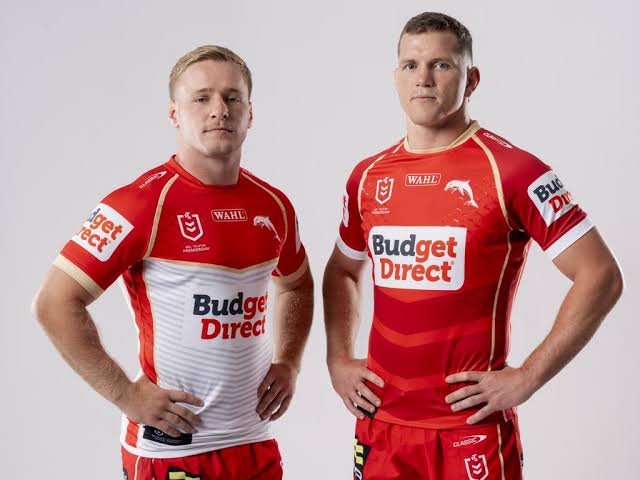
Not all player income counts towards the salary cap. Several categories of payments and benefits sit outside the cap.
- Third-party agreements (TPAs): Players can earn unlimited income from corporate sponsors that have no association with their club and do not use the club’s intellectual property. However, both the club and the NRL must approve these sponsorship deals in advance.
- Tertiary education: University and TAFE fees are excluded.
- Approved traineeships: The NRL does not count costs related to structured training programs outside football toward the salary cap.
- Relocation and temporary accommodation: The salary cap does not include reasonable relocation costs for players moving to a new city.
- Representative match payments: Income earned from State of Origin, international matches, and All Stars games does not count towards the cap.
- Prize money: Any prize money earned through team or individual awards is excluded.
These exclusions mean the highest paid NRL players can earn significantly more than their reported salary cap figure through endorsements and sponsorship deals.
What Happens If a Team Breaks the NRL Salary Cap?
Salary cap breaches carry serious consequences in the NRL. The league’s Salary Cap Auditor monitors every club’s financial position throughout the season, reviewing all lodged contracts and requiring statutory declarations from each club’s CEO and chairman.
When a breach is confirmed, penalties can include the following.
1. Competition Points Deduction
The most immediate on-field penalty is the loss of competition points. The NRL stripped the Parramatta Eels of all 12 competition points they had earned in 2016 and barred them from earning additional points until they brought their salary cap back into compliance.
2. Financial Fines
Clubs face significant financial penalties. Minor breaches may attract fines of $30,000 to $100,000, while major systemic breaches can result in fines exceeding $1 million.
3. Stripping of Premierships
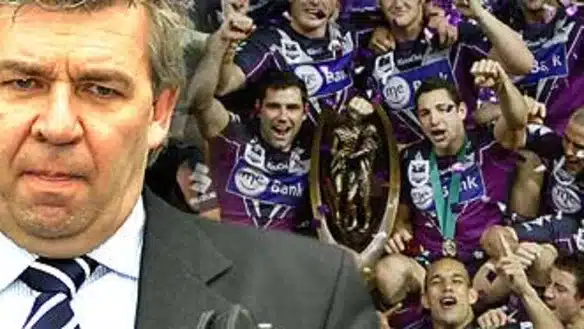
In the most severe cases, the NRL can strip a club of its titles. The NRL stripped the Melbourne Storm of their 2007 and 2009 premierships, three minor premierships, and the 2010 World Club Challenge after uncovering systematic salary cap breaches totalling more than $1.7 million over five years.
4. Suspension of Club Officials
The NRL can deregister or suspend executives, CEOs, and staff who orchestrate salary cap breaches.
Notable NRL Salary Cap Breaches
The table below summarises the most significant salary cap breaches in NRL history.
| Year | Club | Breach Details | Penalty |
|---|---|---|---|
| 2002 | Canterbury Bulldogs | $2.13 million over three years, systematic undisclosed payments | $500,000 fine, stripped of all 37 competition points |
| 2010 | Melbourne Storm | $1.7 million+ over five years, dual contract system | $1.689 million fine, stripped of 2007 and 2009 premierships, played for zero points in 2010 |
| 2016 | Parramatta Eels | $500,000+ over three years, undisclosed third-party payments | $1 million fine, stripped of 12 competition points, five officials deregistered |
| 2018 | Manly Sea Eagles | $1.5 million over five years, unreported contract details | $750,000 fine, two officials banned for 12 months |
| 2019 | Cronulla Sharks | Third-party payment breaches from 2013 to 2017 | $750,000 fine ($500,000 suspended), 2016 premiership retained |
Highest Paid NRL Players and Salary Cap Impact in 2026
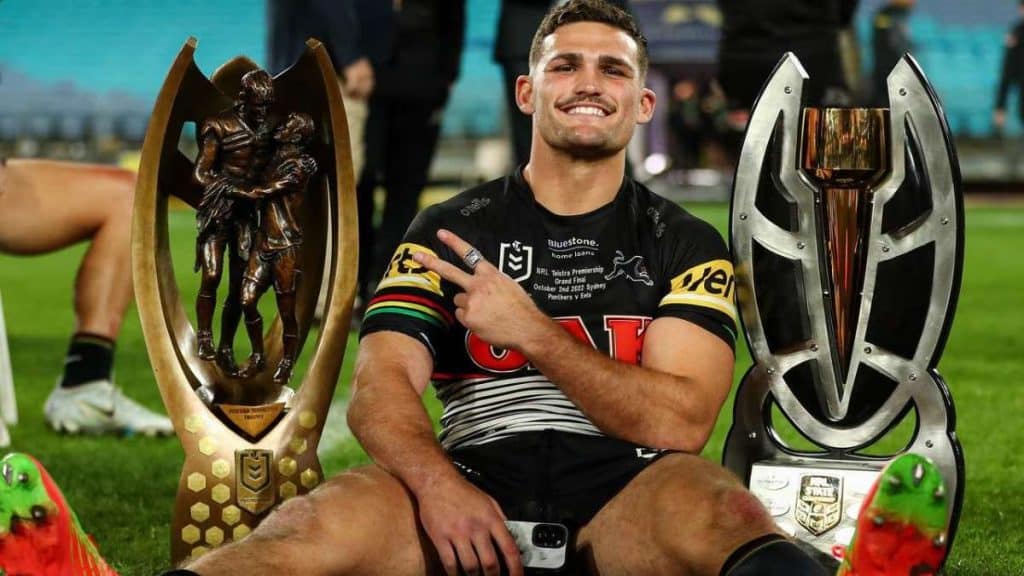
The NRL’s top earners consume a significant share of their club’s spending power. Dylan Brown, Nathan Cleary, and Mitchell Moses each earn approximately $1.3 million per season, taking up nearly 11% of the total salary cap on their own.
The Newcastle Knights face the tightest squeeze in 2026, with Brown and Kalyn Ponga combining for roughly $2.5 million, or 21% of the club’s total cap. This leaves an average of just $305,000 for the remaining 28 roster spots.
For the full breakdown of player salaries, contract lengths, and how each club manages its cap, see our complete guide to the highest paid NRL players in 2026.
How the NRL Salary Cap Has Increased Over the Years
The salary cap has grown dramatically since it was first introduced in 1990. The table below tracks key milestones in salary cap history.
| Year | Salary Cap | Key Development |
|---|---|---|
| 1990 | $800,000 to $1.5 million | NSWRL introduces salary cap for the first time |
| 1997 | No cap | Super League war suspends all salary cap regulations |
| 1998 | $3.25 million | NRL formed, salary cap reinstated |
| 2005 | $3.6 million (effective) | Long Serving Player and Sponsor Servicing Allowances added |
| 2007 | $4.0 million | New CBA lifts the base cap significantly |
| 2013 | $5.15 million | Major CBA increase, marquee player agreements introduced |
| 2018 | $9.1 million | Top squad expanded from 25 to 30 players under new CBA |
| 2020 | ~$7.3 million | 20% reduction due to the COVID-19 pandemic |
| 2021 to 2022 | ~$8.5 million | 6% reduction carried over from pandemic-era adjustments |
| 2023 | $11.45 million (total) | New five-year CBA agreed, salary cap rises sharply |
| 2026 | $11.95 million (total) | Current season cap |
| 2027 | $12.1 million (total) | Scheduled increase under current CBA |
The Minimum NRL Salary
Minimum player wages have also increased alongside the salary cap. For the current CBA period (2023 to 2027), the minimum salary for a top 30 player is $140,000. NRL clubs pay supplementary list players outside the Top 30 a minimum of $80,000 per season.
Future of the NRL Salary Cap
The NRL is set to significantly increase the salary cap from 2028 onwards, with a new multibillion-dollar broadcast rights deal worth more than $5 billion over seven years expected to lift the Top 30 salary cap to between $18 million and $20 million in 2028.
This increase would have a major impact on the player market.
- The average top 30 salary could rise from roughly $400,000 to as much as $666,000 per season.
- The NRL could see its first $2 million per season player, with Nathan Cleary among the leading candidates.
- The introduction of the Perth team in 2027 and the PNG Chiefs in 2028 will add further pressure to the player market.
- Most player agents have timed their top clients’ contracts to expire around 2028 so they can negotiate under the new cap.
Dylan Brown’s 10-year, $13 million deal with the Newcastle Knights, once seen as a record-breaking gamble, could end up representing the minimum required to secure an elite player once the new broadcast deal comes into effect.
The NRL Salary Cap Ensures Competitive Balance Across All 17 Clubs
The NRL salary cap remains one of the most tightly enforced financial systems in professional sport. It forces every club to make difficult roster decisions, balancing investment in marquee players against the need for squad depth.
The 2026 cap of $11.95 million gives each team the same spending power, but how clubs allocate those dollars continues to separate the contenders from the rest of the pack. With a massive broadcast deal on the horizon, the financial landscape of rugby league is about to change dramatically.
The 2026 NRL salary cap stands at $11.95 million per club, with a major increase expected from 2028 under the new broadcast deal.