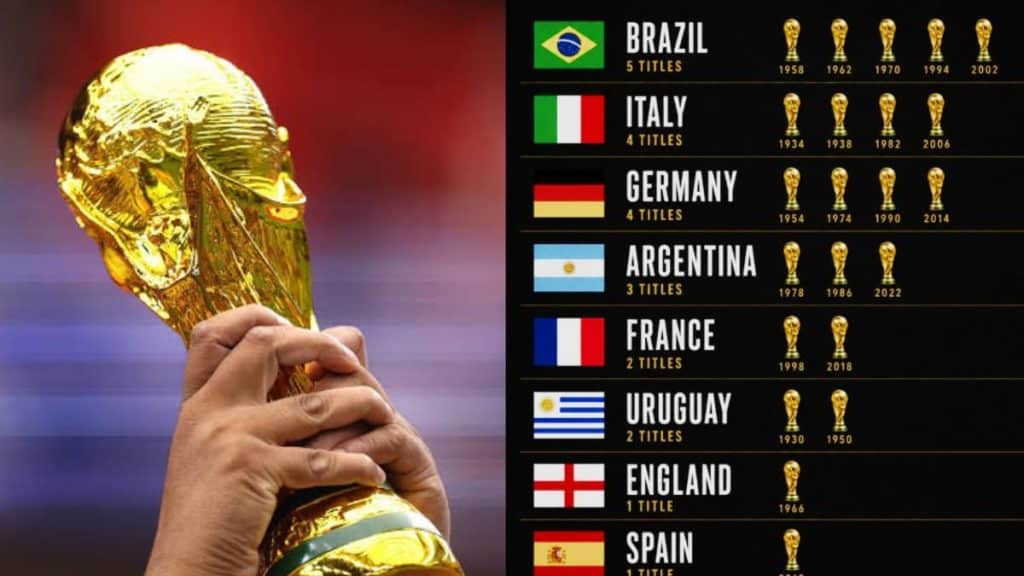

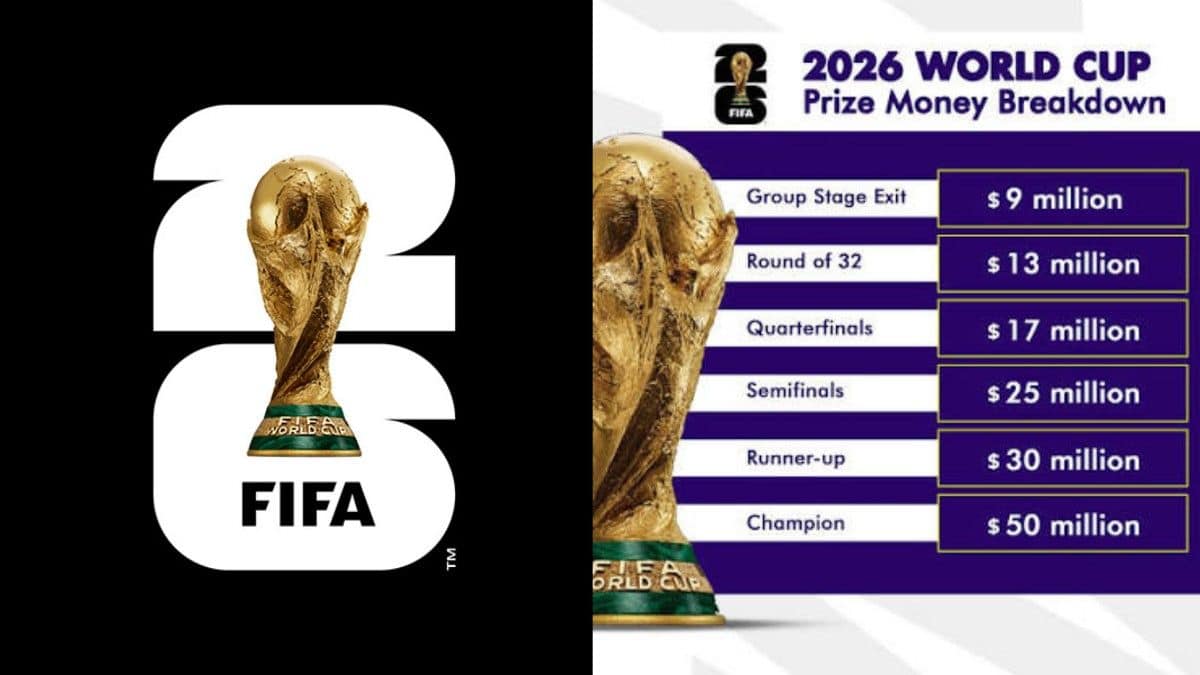
The FIFA World Cup has always been football’s richest prize, and the 2026 edition across the United States, Canada and Mexico takes it to an entirely new level. FIFA has approved a record total distribution of US$727 million (A$1.04 billion) for the 48-team tournament, a 50 per cent increase on what was paid out in Qatar four years ago.
The champions will earn US$50 million (A$71.5 million), while FIFA guarantees every nation at least US$10.5 million (A$15 million) for a group-stage exit, ensuring all teams receive a significant return on their World Cup investment.
FIFA World Cup 2026 Prize Money by Position
The table below shows the complete prize money distribution for every finishing position at the 2026 FIFA World Cup, converted to Australian dollars at the exchange rate of US$1 = A$1.43 (as of July 2026).
| Position | Prize Money (USD) | Prize Money (AUD) | Teams |
|---|---|---|---|
| Champions | $50 million | A$71.50 million | 1 |
| Runners-up | $33 million | A$47.19 million | 1 |
| Third Place | $29 million | A$41.47 million | 1 |
| Fourth Place | $27 million | A$38.61 million | 1 |
| Quarter-finalists (5th to 8th) | $19 million each | A$27.17 million each | 4 |
| Round of 16 (9th to 16th) | $15 million each | A$21.45 million each | 8 |
| Round of 32 (17th to 32nd) | $11 million each | A$15.73 million each | 16 |
| Group Stage Exit (33rd to 48th) | $9 million each | A$12.87 million each | 16 |
The prize money is paid directly to the national football associations and federations, not to individual players. Each federation then decides how to distribute the earnings among players, coaching staff and football development programmes. Some nations split a fixed percentage among players, while others reinvest the majority into grassroots and infrastructure development.
FIFA World Cup 2026 Total Prize Money
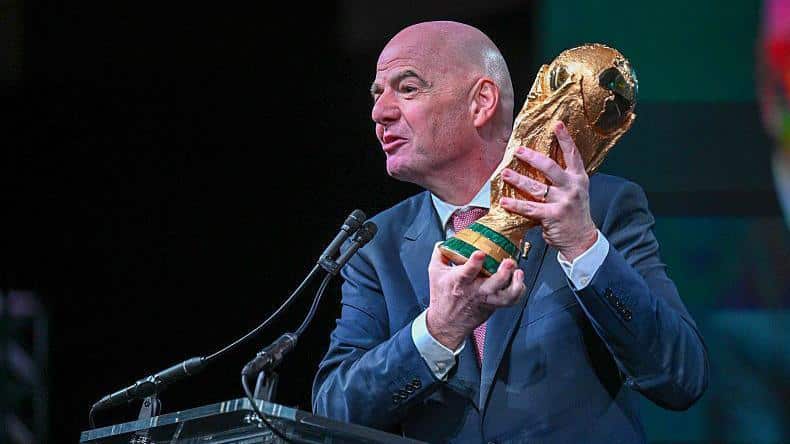
The total financial distribution of US$727 million is split between performance-based prize money, preparation grants and qualification fees. The performance-based prize pool alone stands at US$655 million, up from US$440 million at the 2022 World Cup in Qatar.
| Category | Amount (USD) | Amount (AUD) |
|---|---|---|
| Total Financial Distribution | $727 million | A$1.04 billion |
| Performance-Based Prize Pool | $655 million | A$936.65 million |
| Preparation Grants (per team) | $1.5 million | A$2.15 million |
| Minimum Guaranteed per Team | $10.5 million | A$15.02 million |
Every one of the 48 participating nations receives a preparation grant of US$1.5 million before the tournament begins, regardless of their results. Combined with the minimum group-stage prize of US$9 million, even the earliest eliminated team walks away with US$10.5 million.
How FIFA World Cup 2026 Prize Money Compares to Previous Tournaments
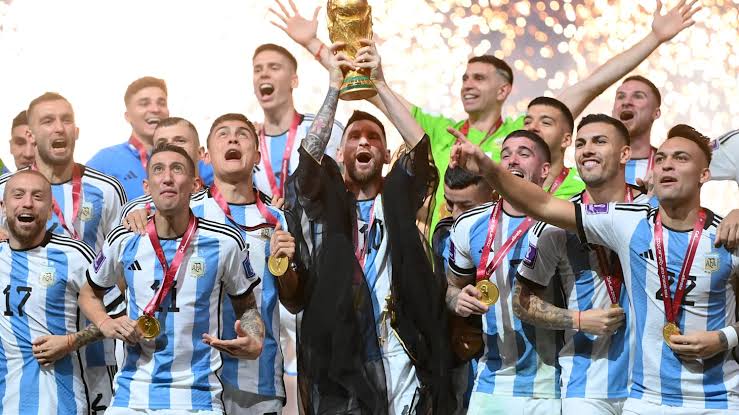
The 2026 prize pool represents a significant increase across every position compared to Qatar 2022 and earlier editions. The winners’ prize alone has increased by US$8 million, while the total pool has grown by nearly 50 per cent.
| Position | 2026 (USD) | 2022 Qatar (USD) | 2018 Russia (USD) | 2014 Brazil (USD) |
|---|---|---|---|---|
| Champions | $50 million | $42 million | $38 million | $35 million |
| Runners-up | $33 million | $30 million | $28 million | $25 million |
| Third Place | $29 million | $27 million | $24 million | $22 million |
| Fourth Place | $27 million | $25 million | $22 million | $20 million |
| Quarter-finalists | $19 million | $17 million | $16 million | $14 million |
| Round of 16 | $15 million | $13 million | $12 million | $9 million |
| Group Stage | $9 million | $9 million | $8 million | $8 million |
| Total Pool | $655 million | $440 million | $400 million | $358 million |
FIFA projected incoming revenue of more than US$10 billion from this first 48-team World Cup, meaning the prize fund represents approximately 6.5 per cent of tournament turnover. The governing body’s four-year revenue cycle including the 2026 tournament is projected at US$13 billion, up from US$7.6 billion in the cycle that included the 2022 edition.
FIFA World Cup 2026 Individual Awards Prize Money
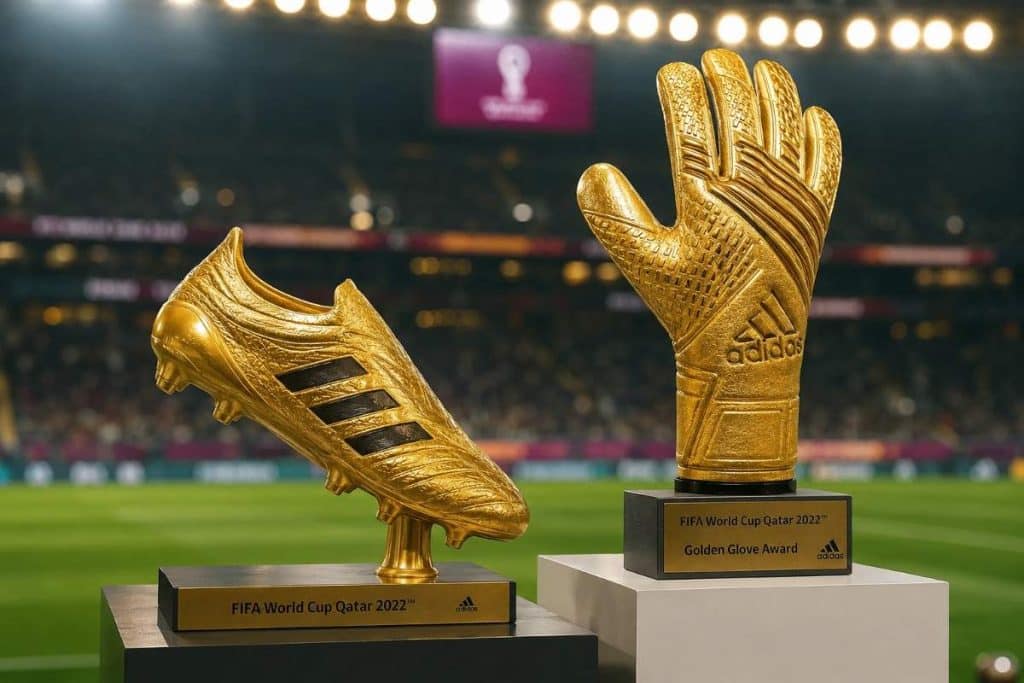
The three major individual awards at the FIFA World Cup do not carry any direct financial compensation from FIFA. They are purely prestige-based honours that recognise outstanding individual performances across the tournament.
- Golden Boot (Top Scorer): No cash prize from FIFA. Awarded to the tournament’s leading goalscorer. In the event of a tie, the player with the most assists takes the award, followed by the fewest minutes played.
- Golden Ball (Best Player): No cash prize from FIFA. Voted on by FIFA-accredited media representatives at the conclusion of the tournament. The Silver Ball and Bronze Ball are also awarded to the second and third-best players.
- Golden Glove (Best Goalkeeper): No cash prize from FIFA. Awarded to the outstanding goalkeeper of the tournament based on media voting.
Also Read
- Major Sporting Events in Australia (2026 Calendar)
- Top 10 Sports Academies in Australia (2026 Picks)
How FIFA World Cup 2026 Prize Money Reaches the Players
The distribution chain from FIFA to individual players involves several steps. Understanding this process explains why not all players receive equal financial benefit from their team’s World Cup performance.
- FIFA pays the prize money to the national football association or federation of each country
- Each federation decides its own internal distribution policy for players and staff
- Some nations share a fixed percentage (typically 30 to 50 per cent) among the squad
- Other nations invest the majority into football development, facilities and youth programmes
- FIFA also runs a separate Club Benefits Programme that compensates clubs whose players participate in the tournament, to offset the risk of injury during international duty
- In 2022, clubs from all six confederations received a total of US$209 million through the Club Benefits Programme
For context, the Socceroos’ participation at the 2026 World Cup guarantees Football Australia a minimum of US$10.5 million (A$15.02 million), even in the event of a group-stage exit. A run to the quarter-finals would earn US$19 million (A$27.17 million), representing a transformative injection of funding for Australian football development.
FIFA World Cup 2026 Prize Money FAQs
The champions receive US$50 million (A$71.5 million), a US$8 million increase on the 2022 World Cup winners Argentina.
The runners-up receive US$33 million (A$47.19 million).
The third-place finisher receives US$29 million (A$41.47 million), and fourth place earns US$27 million (A$38.61 million).
Each of the four beaten quarter-finalists receives US$19 million (A$27.17 million).
Teams eliminated in the Round of 16 receive US$15 million (A$21.45 million) each.
Teams knocked out in the group stage receive US$9 million (A$12.87 million) in prize money, plus US$1.5 million (A$2.15 million) in preparation grants, totalling US$10.5 million (A$15.02 million).
The performance-based prize pool is US$655 million (A$936.65 million). The total financial distribution including preparation grants is US$727 million (A$1.04 billion).
No. The Golden Boot, Golden Ball and Golden Glove are prestige awards with no direct financial compensation from FIFA.
No. FIFA pays the prize money to the national football federation, which then decides how to distribute it among players, coaches and development programmes.
The 2026 FIFA World Cup offers a record US$655 million (A$936.65 million) in prize money, with the champions taking home US$50 million (A$71.5 million) and even group-stage exits guaranteed US$10.5 million (A$15.02 million).